
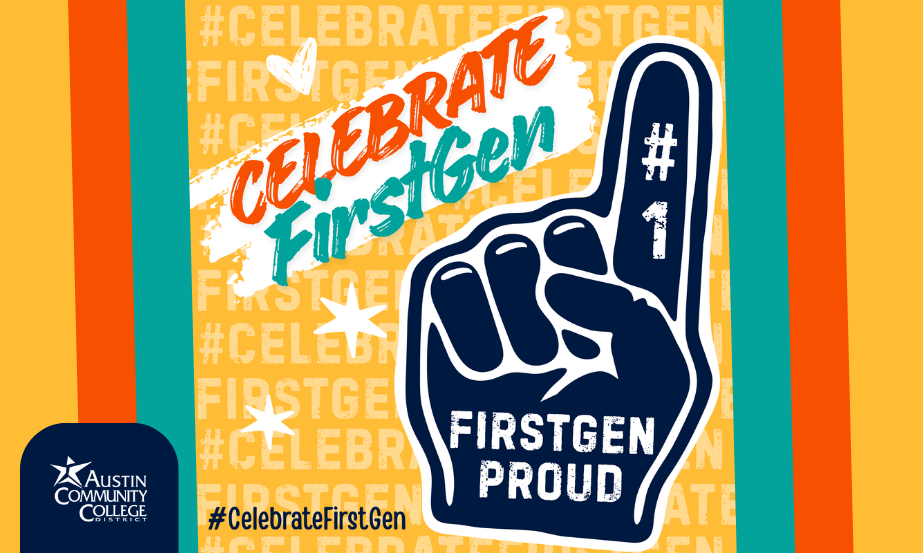
On November 8, we celebrate first-generation Riverbats past and present and recognize the achievements of first-generation students across the country. At Austin Community College District (ACC), we’re proud to celebrate the students, faculty, and staff who are the first in their families to attend college and the determination, perspectives, and experiences they bring to our community.
Why November 8?
First Gen Day is celebrated on November 8 annually, because it commemorates the signing of the Higher Education Act (HEA) of 1965 by President Lyndon B. Johnson. The act established foundational federal financial aid programs and expanded access to higher education, including support for first-generation students.
In honor of First Gen Day, meet four members of our ACC community and discover what first-generation means to them.
Dr. LaKisha Barrett, ACC Faculty
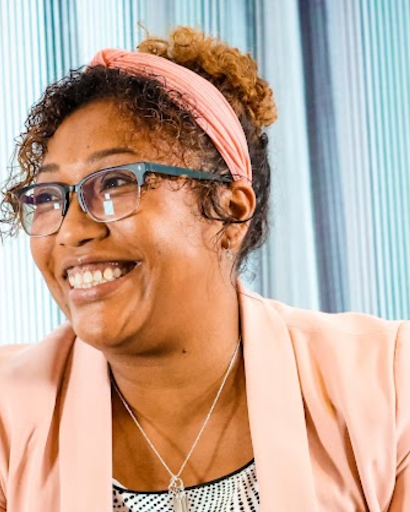
In your experience teaching at ACC, what have you learned about the unique experiences, strengths, or challenges of first-generation college students?
First-generation students bring tremendous cultural wealth, resourcefulness, resilience, and intellectual potential to our classrooms. They may also be navigating unfamiliar academic expectations, financial responsibilities, family obligations, and opportunities that aren’t always clearly explained…
Knowing how to navigate a system is not evidence that the system is functional, adequate, or supportive. While resilience and perseverance should be applauded, we should consistently and responsibly improve the system to reduce the need for that level of grit.
We are responsible for seeing, encouraging, and supporting our students’ potential while helping them develop the confidence and agency to pursue their goals; all students need this, especially first-gen.
How do you help first-generation students feel they belong in college and can succeed?
I believe students need to know that their experiences, perspectives, and contributions matter. In my classroom, I intentionally create opportunities for students to connect course concepts to their lived experiences and future professions, build foundational knowledge, practice new skills, and recognize their own growth.
Belonging is not simply feeling welcomed into a classroom. It is recognizing that you have something meaningful to contribute, are connected to a purpose, and can influence the environment around you.
I want students to leave my classroom with more than a grade. I want them to recognize themselves as capable thinkers, lifelong learners, and future professionals…For me, that’s the beauty of moving from belonging to becoming.
What is one thing you wish every ACC faculty member understood about first-generation students, and what is one thing we can do to better support their success?
I wish every faculty member understood that being first-generation doesn’t measure academic ability, ambition, or potential. It describes an educational experience, not a limitation… One of the most meaningful things we can do is make the unwritten rules of higher education visible. Explain the why behind assignments, normalize seeking support, connect students with mentors and campus resources, and encourage them to ask informed questions and advocate for themselves.
Students should not have to earn their sense of belonging through academic achievement. Belonging should create the conditions for them to achieve, thrive, and be the change they want to see in the world.
Alejandra Polcik, Manager of Student Success Programs
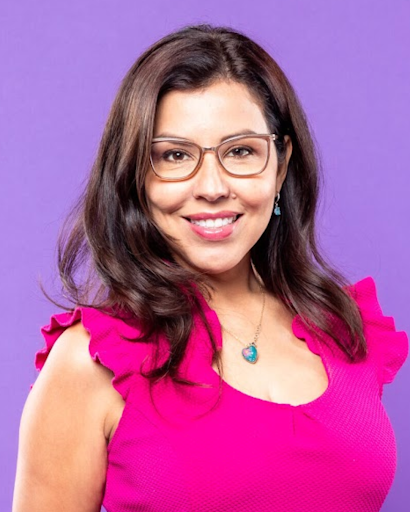
Through your work at ACC, what have you learned about the experiences and needs of first-generation college students?
First-generation students bring so much to ACC. They bring culture, responsibility, resilience, adaptability, hope, and inspiration. They remind us of the power of education and the many dreams and possibilities that students bring with them when they walk through our doors.
Can you share an example of how a staff member, campus resource, or support service helped a first-generation student navigate college or move closer to their goals?
I remember a student who left ACC during the pandemic and returned several years later. I barely recognized him. He had grown from a teenager into a young man, but he came straight to me and asked how he could rejoin the program and finish what he had started six years earlier. When I asked why he had left, he told me that he simply wasn’t ready back then, but now he was. He went on to graduate from ACC, proudly wearing his stole, and transferred to another college to continue his education…
That experience reminded me how important it is to give students hope and help them understand that every journey is different.
What can ACC employees do, regardless of their role, to make college easier to navigate and help first-generation students feel that they belong?
Bring hope and love into everything you do, and let that show in your work every day, whether you’re interacting with students or colleagues. What we do is meaningful and beautiful. We have the privilege of helping people move closer to their dreams, and students need to see the joy we find in that work. Happiness is contagious, and when we approach our work with genuine care and enthusiasm, students can feel it. That sense of belonging can make all the difference.
Stephanie Gross, ACC Baking and Pastry Student
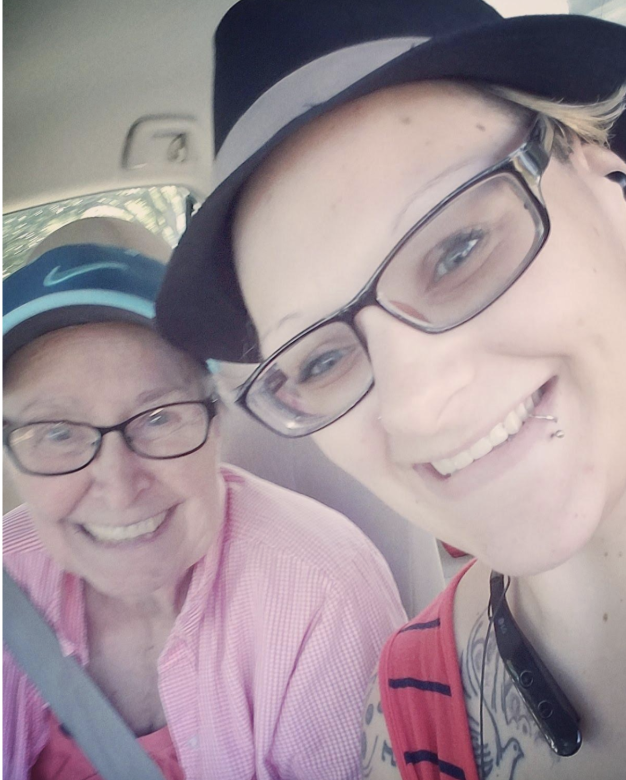
What does being a first-generation college student mean to you personally, and what inspired you to pursue a college education?
I will be the first woman in my family to ever get a college degree. The fact that I even get to say that makes me want to start to cry with joy. I come from a long line of very strong women. They are all strong from the struggles they have survived, whether they be mental or physical. They are all extremely well-spoken women, intelligent, bright, kind, and fierce. Yet not a single one has been to college… Finally going after my dream of being a chef is what my grandmother would have always wanted for me.
What has been one of your biggest challenges navigating college, and what person, experience, or resource at ACC has helped you keep moving forward?
One of my biggest challenges in college, this far, has been math. It has been 17 years since I graduated high school. I couldn’t pass the TSI assessment for math. My advisor told me that the school offered a free TSI prep program, which I took with Ms. Terrell.
I remember one day in the class I had gotten so frustrated with myself I began to cry and say, “Why am I so stupid?” Ms. Terrell stopped me right there in the class and said, ” NO! You are not stupid! I don’t want to hear you talk about yourself like that again, and whenever that voice comes into your head, I want you to take it outside and strangle it!”
She really helped through that day. I took the TSI on week 5 of the 8-week course, and I passed. I couldn’t believe it!
What would you tell another first-generation student who is considering college but feels uncertain about whether they belong or can succeed?
If there is any other person out there who is considering college but feels uncertain about it, my response to them would be: just do it! You can start part-time, like I am currently, and still get financial aid. You can always add more if you feel confident about it…
You do belong even if you are a 35-year-old single mother, or a kid who has just graduated high school, or someone who has taken a couple years off.
Ashley Lopez Hernandez, Registered Nurse and Class of 2026 BSN Graduate

When you reflect on your journey at ACC, what does being a first-generation college graduate mean to you and your family?
Being a first-generation college graduate means so much to me and my family. It represents hard work, perseverance, and the importance of continuing to pursue your dreams, even when the journey is challenging. Being the first in my family to achieve this milestone is something I am very proud of, and I hope it inspires my family and future generations to believe that they can accomplish their goals as well.
ACC played an important role in my journey by providing support and resources that helped me navigate college and continue my education.
I graduated with my Associate Degree in Nursing in 2025, passed the NCLEX to become a registered nurse, and continued working toward my bachelor’s degree, which I completed in 2026. Looking back, I am grateful for the opportunities I received at ACC and proud of how far I have come.
How has earning your degree or credential from ACC changed your life, expanded your opportunities, or influenced the people around you?
Earning my degree from ACC changed my life by helping me turn my goal of becoming a nurse into reality…
Today, I work at SDMC, where I can use what I have learned to care for patients and make a difference in their lives. As a first-generation student, continuing my education was not just about earning a degree; it was also about proving to myself that I could achieve something I had worked so hard for. I hope my journey encourages other students, especially those who may be the first in their families to attend college, to keep going even when things feel difficult.
What advice would you give current first-generation students, and what do you hope ACC continues to do to help future generations of first-generation students succeed?
My advice to first-generation students is to believe in yourself, ask for help when you need it, and never be afraid to pursue something bigger for yourself. There may be times when you feel overwhelmed or question whether you can do it, but those moments do not define your ability to succeed. Take advantage of the resources available to you, build relationships with people who support your goals, and remember why you started…
Sometimes, knowing that someone believes in you can make all the difference. I hope future students have the same opportunity to discover their potential, earn their degrees, and create better opportunities for themselves and their families. I am proud to be a first-generation college graduate and a nurse, and I hope my story reminds others that their background does not limit what they can achieve.
Contributed by Student Affairs Communications