
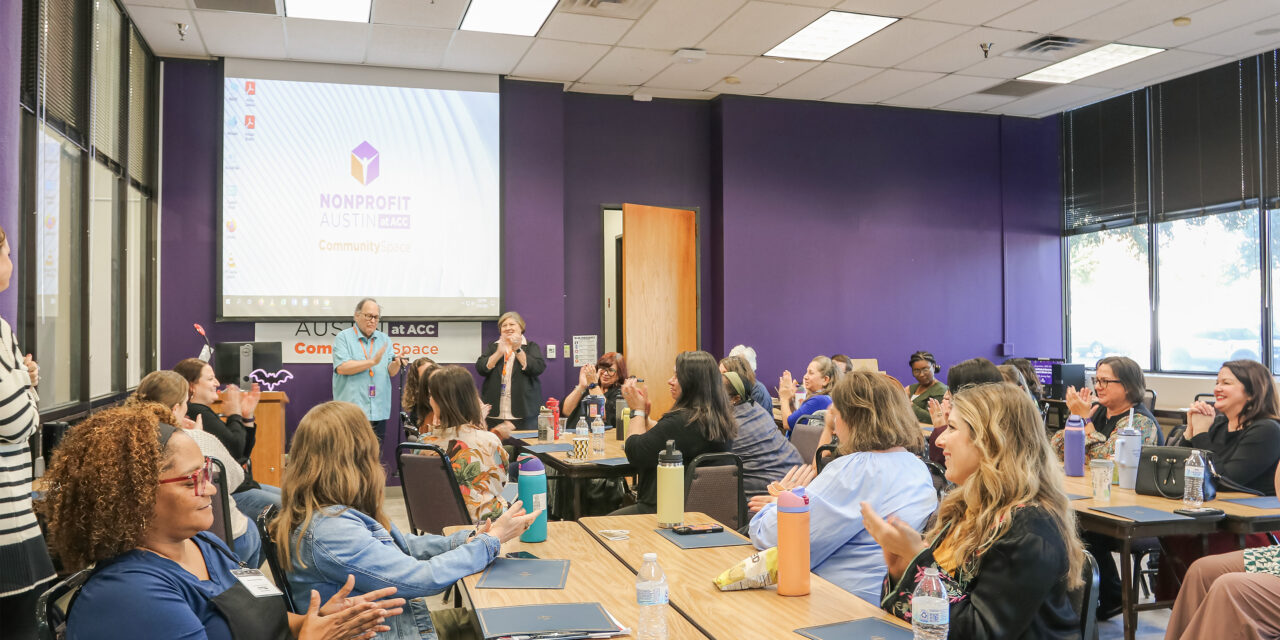
What started with a class of six nonprofit professionals learning how to support volunteers online in the age of dial-up internet has evolved into a hub for nonprofits in Central Texas. This past November marked the 25th anniversary of Nonprofit Austin at ACC (NPA).
Since that first class in November 2000, NPA has served more than 7,000 individuals in more than 750 nonprofit organizations and has expanded to offer five certificate programs, with an additional one planned, and is integrating learning around artificial intelligence. Identifying a critical nonprofit need for area nonprofits — physical meeting space — NPA started a coworking space for nonprofits at the Highland Business Center.
As NPA celebrates its Silver Anniversary, we sat down with the Center’s founder, Barry Silverberg, to reflect on how a vision to “raise the standard of nonprofit practice” found its perfect home at ACC and discuss plans for the Center’s next chapter.
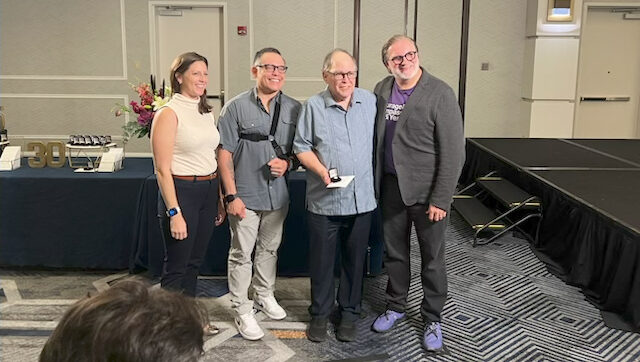
1. Take us back to 2000. Where did the idea for the Center originate?
After 23 years leading Jewish federations in Syracuse and Austin, I saw a consistent gap in the nonprofit sector: extraordinary passion unsupported by sufficient professional competence. Nonprofit leaders were increasingly expected by funders and donors to demonstrate accountability, effectiveness, and impact—without access to the skills to do so.
I began meeting independently with community leaders, potential partners, and funders to propose a center that would raise the standard of nonprofit practice in Greater Austin and provide a trusted place for practitioners to build professional skills. While many agreed with the need, there was skepticism that such an ambitious, comprehensive effort would succeed.
That changed when Linda Young, then Special Assistant to the ACC President for External Affairs, recognized the vision and brought me to ACC. With presidential approval, we launched the first class—Cyber Volunteer Management—in November 2000. ACC proved to be the ideal home: a respected, neutral learning institution with the mission, credibility, and infrastructure to support nonprofit education. From the start, we focused on building core competencies that enable nonprofit professionals and volunteers to be effective, ethical, and confident leaders.
2. What was the initial community reaction to the Center and the classes offered?
Our very first class had six participants—and took place during the era of dial-up internet. In those early years, all classes were free, faculty volunteered their time, and I even provided bagels and cream cheese. The generosity of our instructors reflected a core value that continues today: sharing expertise to strengthen the community.
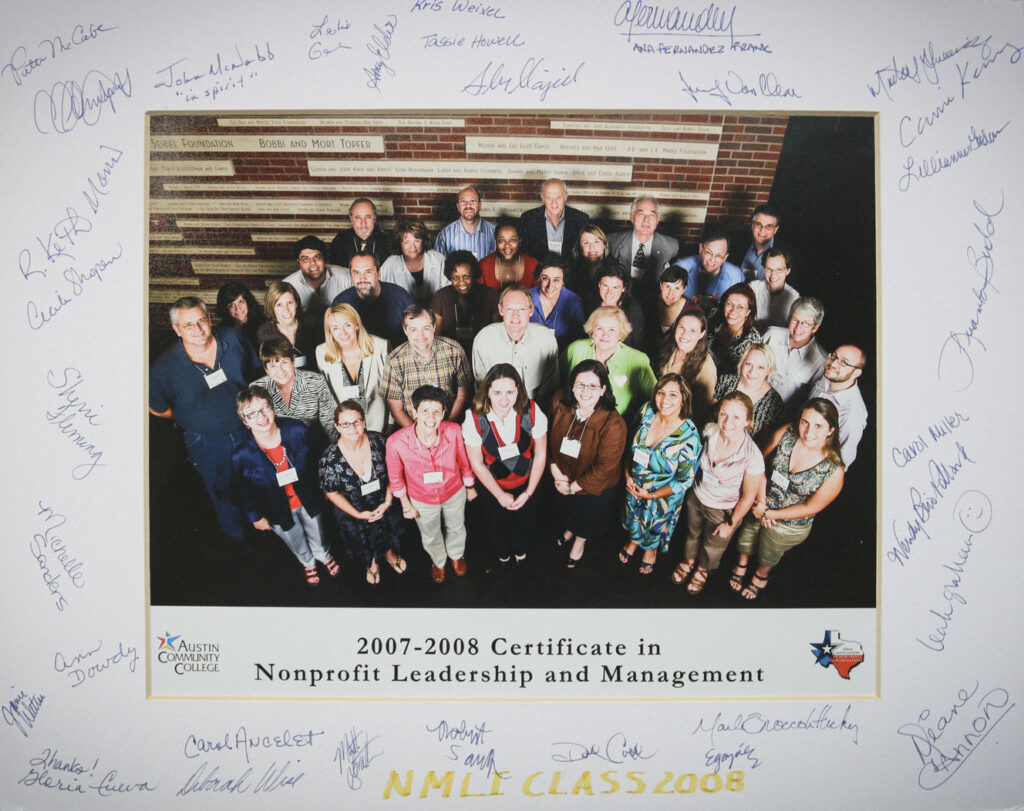
As offerings expanded and word spread, skepticism faded and participation grew rapidly. Recognizing the need for deeper, more structured learning, we launched our first certificate—Nonprofit Leadership and Management—in 2006. Since then, we’ve developed certificates in effective fundraising, grant writing, financial management, social impact measurement and storytelling, project management, and are now developing new certificates in strategic communications and talent management.
From the beginning, our primary focus has been small and midsize nonprofits—organizations facing the same expectations as large nonprofits but with far fewer resources.
3. Aside from technology, what is the biggest change you’ve seen in the Austin nonprofit community?
The most significant change has been the dramatic increase in expectations placed on nonprofit leaders—both professional and volunteer. Over the past 25 years, demands for transparency, accountability, measurable outcomes, and financial sustainability have intensified, even as funding pressures and public skepticism have grown.
When we started, nonprofits were far less organizationally sophisticated, and outcome measurement was still emerging. The Center responded by providing disciplined, practical learning that helped thousands of practitioners and organizations adapt, strengthen their operations, and more effectively advance their missions. We bring a strategic and creative lens to whatever issues require attention. We track and strategically assist nonprofit colleagues in facing emerging trends, keeping our offerings relevant and continuously evolving with the times.
4. Why is ACC the perfect home for Nonprofit Austin?
To the best of our knowledge, our program is unique within the community college system. ACC is an ideal home because we share core values: inclusion, connection, and the belief that learning improves quality of life.
ACC’s assets—classroom space, technology, and institutional credibility—allow us to offer high-quality, affordable education with minimal additional cost to the College. This enables us to keep learning accessible to those working in or aspiring to nonprofit careers.
5. Are there any alumni success stories that stand out?
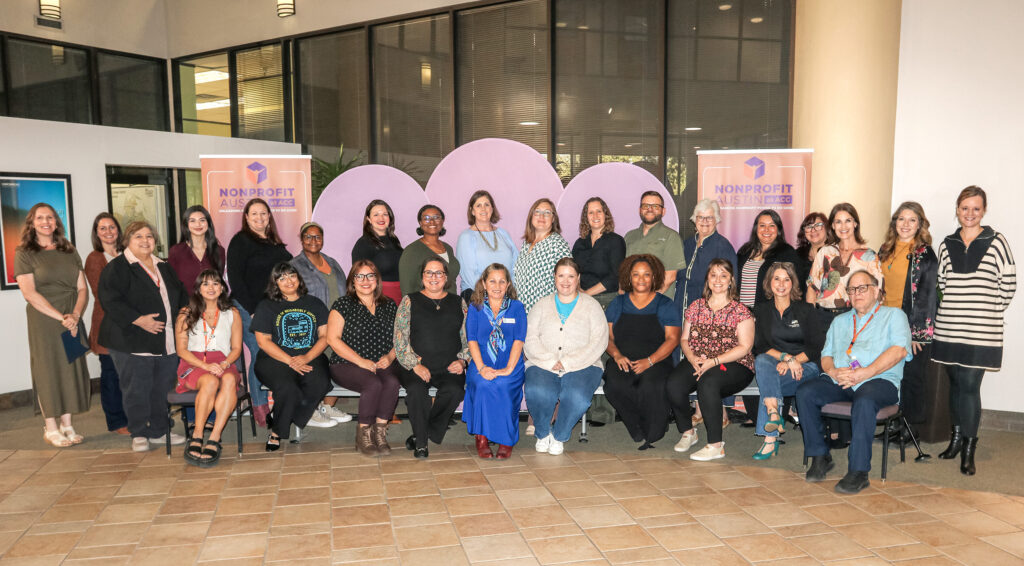
In 2026, we will celebrate the 20th consecutive cohort of our Nonprofit Leadership and Management certificate. Over the years, we have helped launch and strengthen countless organizations now serving the Austin community.
One standout is Karah (Ricketts) Powell, currently Development Director at ROCK (Ride on Center for Kids). A graduate of five of our certificates, she credits the program with shaping her professional success. More importantly, she exemplifies the leadership, competence, and community impact we strive to cultivate.
6. As you celebrate your 25th anniversary, what is your vision for the next chapter?
Aligned with our Theory of Change and ACC’s increased focus on students, we are focusing on bringing opportunities that introduce nonprofit careers and pathways into the sector to ACC’s students. We are also updating our certificates and integrating learning around Artificial Intelligence to ensure nonprofit leaders are prepared for the future.
7. Anything else we should know?
At its core, the Center has always been about strengthening community by strengthening the people who serve it—and that commitment remains unchanged after 25 years. We still describe our “competitive advantage” as walking together as colleagues and equals with those who seek our assistance. We continue to provide a safe place for nonprofit practitioners to bring their concerns and seek guidance. We exist to serve.
To learn more, visit the Nonprofit Austin at ACC website.